Where to Find The Most Authentic Xiaolongbao in Shanghai

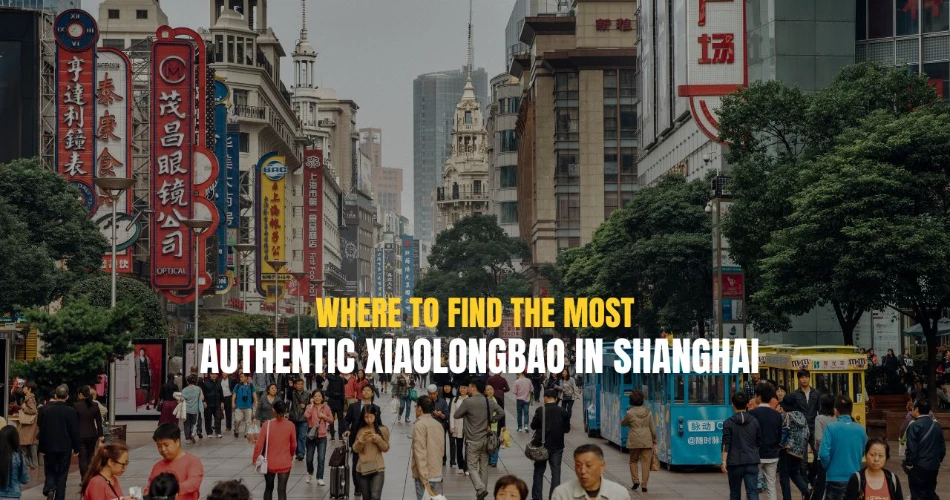
Every street corner in Shanghai is sprinkled with history, and each steamed basket narrates a story of pride, tradition, and flavor.
This glitzy city, often referred to as the “Paris of the East,” is a concoction of futuristic skylines, centuries-old culinary traditions, and Art Deco fantasies. And when it comes to famous bites, Shanghai Xiao Long Bao is the best. These soup-filled dumplings are more than just food; they are a sign of advancement, a representation of Shanghai's culinary pride, and, to be honest, a cozy little hug in edible form!
Are you ready for a slurp-worthy journey? The greatest and most genuine xiaolongbao in Shanghai can be found here—there is no filler, only flavor. Let's get going!
What is Xiaolongbao?
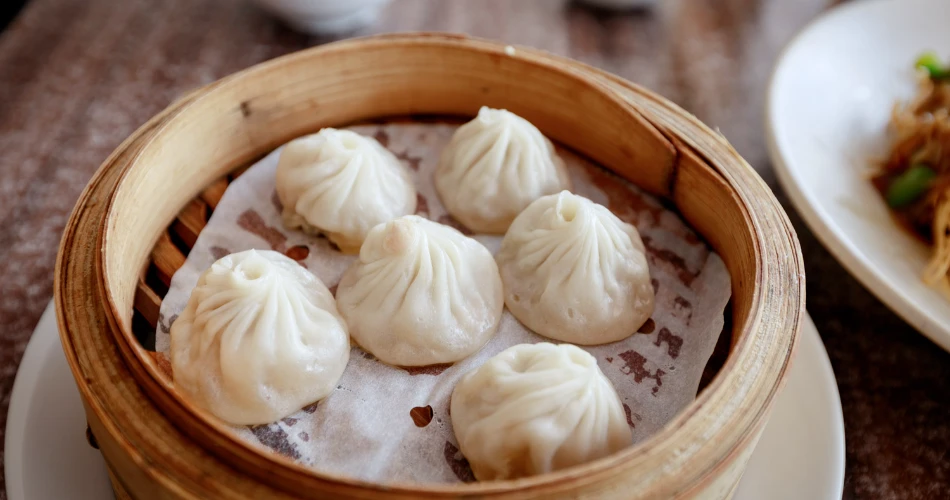
About 200 years ago, in the small town of Nanxiang—now part of Shanghai's Jiading District—the xiaolongbao (小笼包) was born. What began as a regional specialty made its way downtown through a small store in the Yu Gardens, called Nanxiang Mantou Dian, and gradually rose to prominence as the city's favorite dumpling.
There is currently some friendly culinary debate on the proper name for these soup dumplings. Are they xiaolongbao, tangbao (汤包), or xiaolong mantou (小笼馒头)? Furthermore, not all soup dumplings are made equal. While some tangbao are huge and maybe slurped with a straw, others are palm-sized packets that are the subject of our attention.
Whatever you choose to call them, these dumplings are revered in Shanghai!
What is the Filling of Xiaolongbao?
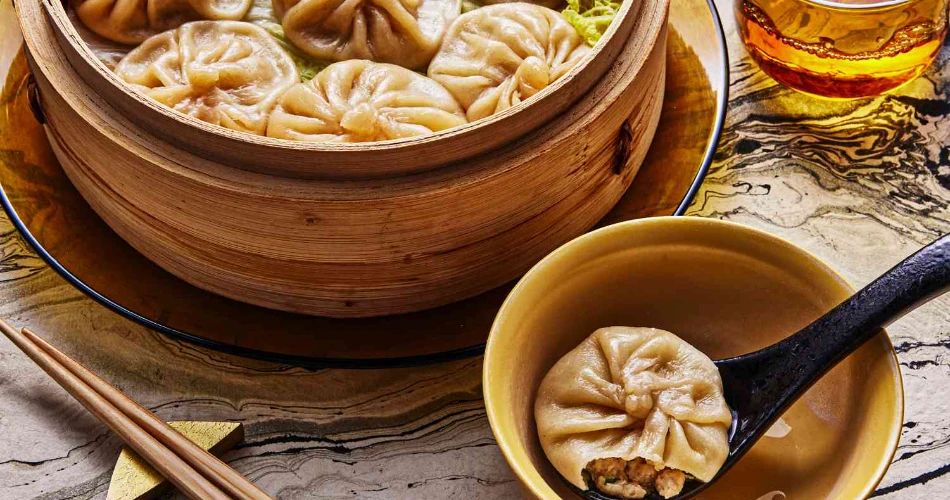
Every xiaolongbao is a tiny miracle of culinary engineering.
Ground pork combined with a miraculous pork jelly is the traditional filling. To make this jelly, pork skin is simmered until it turns into collagen-rich gelatin. Once it has cooled, it is diced and mixed with the meat. The mixture is hand-pleated, wrapped in delicate wheat dough, and then steam-cooked. The famous "soup" inside the dumpling is created when the jelly melts into a flavorful, rich broth while it cooks.
You risk burning your tongue if you bite too quickly. You run the danger of losing the soup if you bite too slowly. It's a dance of timing, skill, and happiness. And there are variances, like with every creative form. People in Shanghai enjoy arguing about whose version is the most "authentic," but let's face it—it tastes good.
Places That Offer Authentic Xiaolongbao
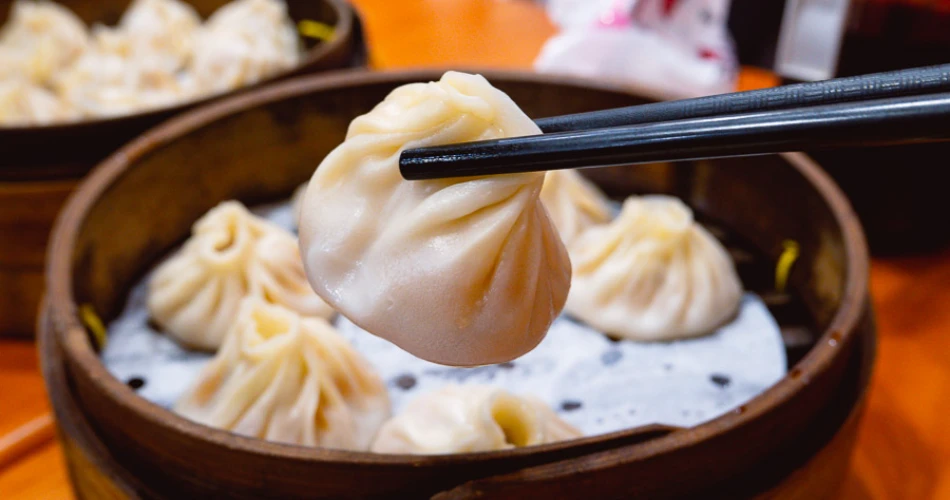
Want the real deal of xiaolongbao? Skip the imitators and let's seek out the legendary dumpling houses with us, where authentic xiaolongbao are steamed to perfection. Scroll down to give your taste buds a wild, flavor-bursting ride!
Din Tai Fung
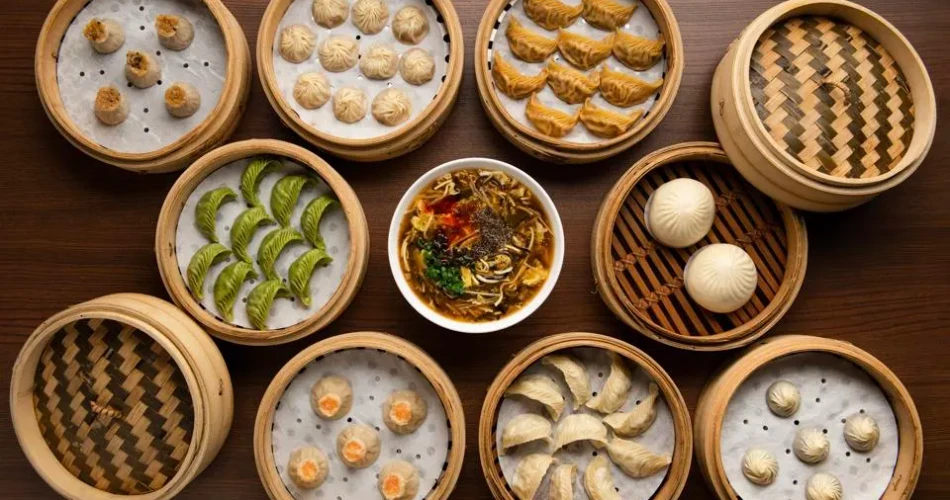
Despite the purist's disapproval, Din Tai Fung's consistency is undeniable. Although it began in Taiwan, the owner originally sold soup dumplings in the Shanghai style, perfecting the technique.
This globally known Taiwanese chain of restaurants steals the show with its world-class xiaolongbao, carefully made with a precise wrapper-to-soup ratio, 18 accurate pleats, stuffed with seasoned minced pork with a gelatinous, rich broth, turning to soup upon steaming. It is called dazzling by some and uninteresting by others.
Address: China, Shanghai, Jing'An, Nanjing Rd (W), 1376号上海商城1层104A单元 邮政编码: 200041
Lai Lai Xiao Long
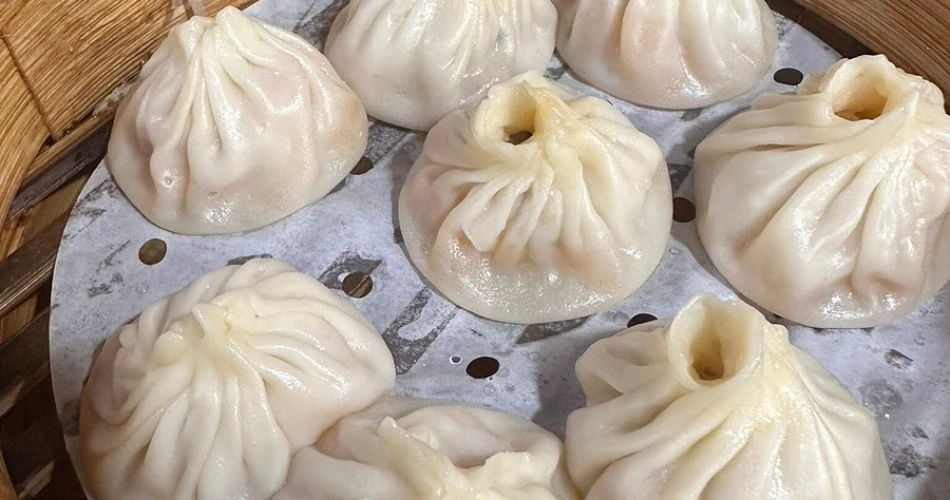
Since 2006, Lai Lai Xiao Long has gradually established a solid reputation, located a short distance from the busy Nanjing Dong Lu pedestrian street.
A real highlight is the crab and crab roe xiaolongbao. A little more expensive? Indeed. However, the smooth crab flavor without the hassle of cracking shells makes it worthwhile. Additionally, they are accessible all year long.
Even after relocating to Xuhui District, Lai Lai has managed to hold onto its devoted following thanks to its original charm on Yuyuan Road. Rich, rustic, and soulful, the pork dumplings have delicately thin wrappers or are just thick enough to feel substantial but still soft enough to explode with soup. It is understandable why the Michelin Guide Shanghai 2024 awarded their Tianjin Lu site a Bib Gourmand.
Address: 504 Tianjin Rd, Huangpu, Shanghai, China, 200001
Nanxiang Mantou Dian
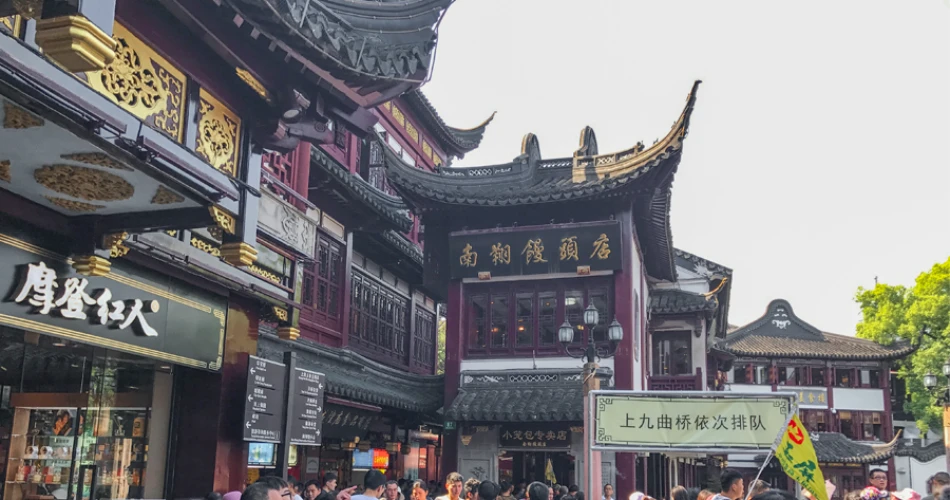
This is the original—the place where it all started.
Many Shanghainese trace the emergence of the xiaolongbao tradition to Nanxiang Mantou Dian, which is housed within Yu Gardens. Despite its ups and downs, the original location still has a sentimental appeal.
Serving legacy-rich bites, this phenomenal place dominates the scene with its piping-hot dumplings having semi-translucent, thin skins and flavorful broth bursting with umami. Featuring three levels, each offering a unique experience: ground floor for takeaways, first floor offers sit-down dining with a slight upgrade in quality compared to the ground floor, and the second floor offers enhanced quality crafted by skilled chefs, with more variety in the menu like Shanghainese appetizers and crab-roe options.
Address: China, Shanghai, Jing'An, 久光 邮政编码: 200041
Jia Jia Tang Bao
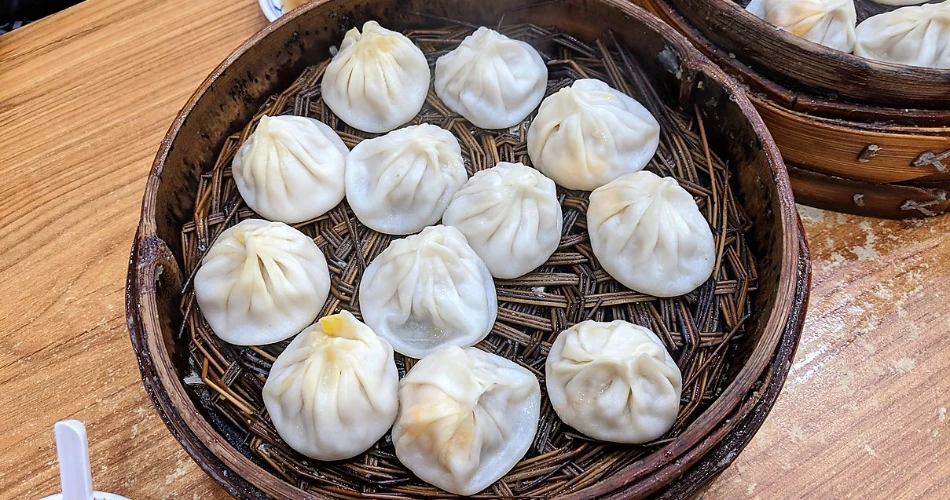
Popular for being the hometown hero of food in Shanghai, Jia Jia Tang Bao began as a small, family-run restaurant in 1986 and stayed true to its origins while the rest of the dumpling industry went crazy with franchises.
With lines snaking down the block, the original store on Huanghe Lu (currently located at #127 instead of #90—beware of copycats!) is legendary. To avoid crowds without compromising on quality, locals suggest checking out their Liyuan Lu location.
You can even watch the staff preparing your dumplings behind the glass window as they delicately wrap them in paper-thin skins and pleat the top, later served in a bamboo basket (12/order) with basic condiments on the side like Chinkiang black vinegar, fresh ginger strips, and soy sauce.
Address: 90 Huanghe Rd, People's Square, Huangpu, Shanghai, China, 200003
Fumai Baozi
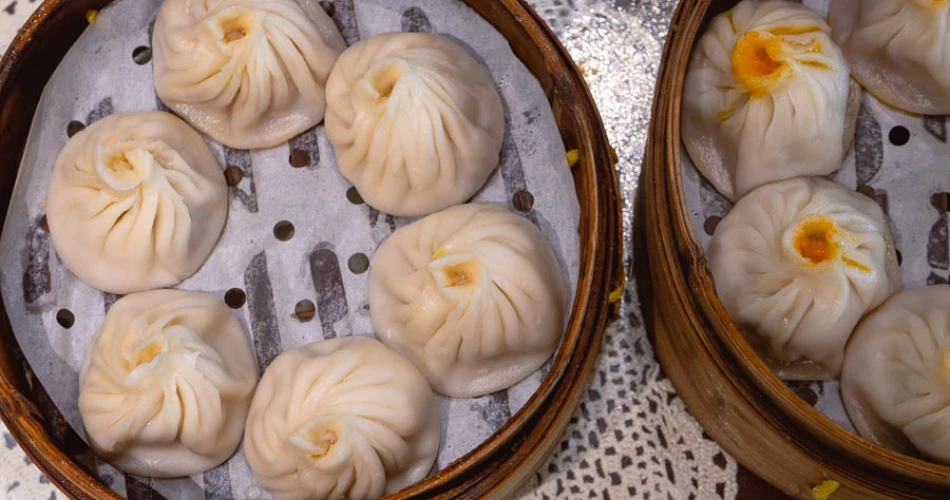
Run by the same folks behind Fuchun, Fumai Baozi brings that signature porky punch to Yanping Lu.
Their slightly thicker wrappers, which have the ideal homemade texture, are used to wrap and steam their dumplings on the spot. The interior's 1930s architecture creates a warm, retro Shanghai feel. Try their crab noodles, sesame buns, or shaomai in addition to xiaolongbao. It's a dim sum dream come true.
Address: Shanghai Fumai Baozi上海富麦包子 251-257 Yanping Lu 延平路251-257号, Shanghai 上海
Fuchun Xiao Long Bao
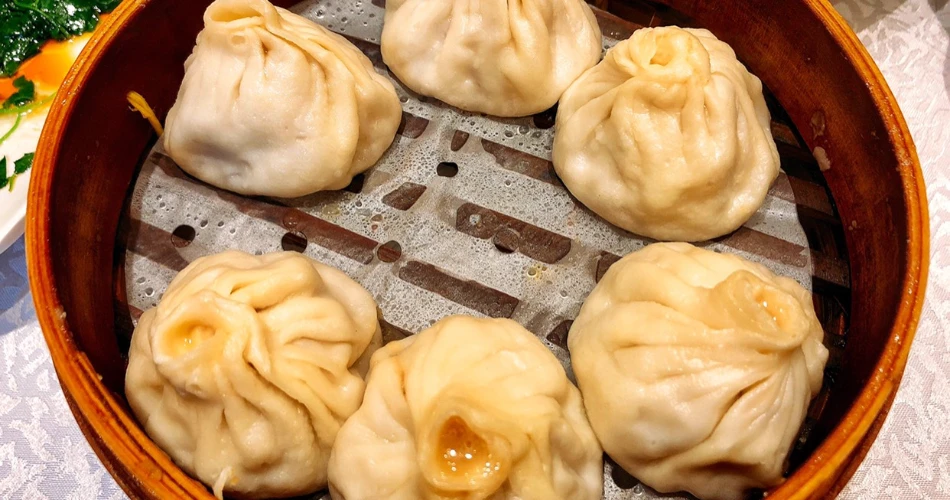
Founded in 1885, Fuchun owns the title of "China Time-Honored Brand" with cultural significance in the scene of Chinese food in Shanghai.
Its xiaolongbao is incredibly juicy, porky, and traditional. Oozing with the charm of retro Shanghai, this place serves flavor-packed xiaolongbao (six hefty soup dumplings in one basket) that are rich in meat, light on broth, and thick where it counts.
Address: 650 Yuyuan Rd, Jing'An, Shanghai, China, 200031
Man Man Tang Bao
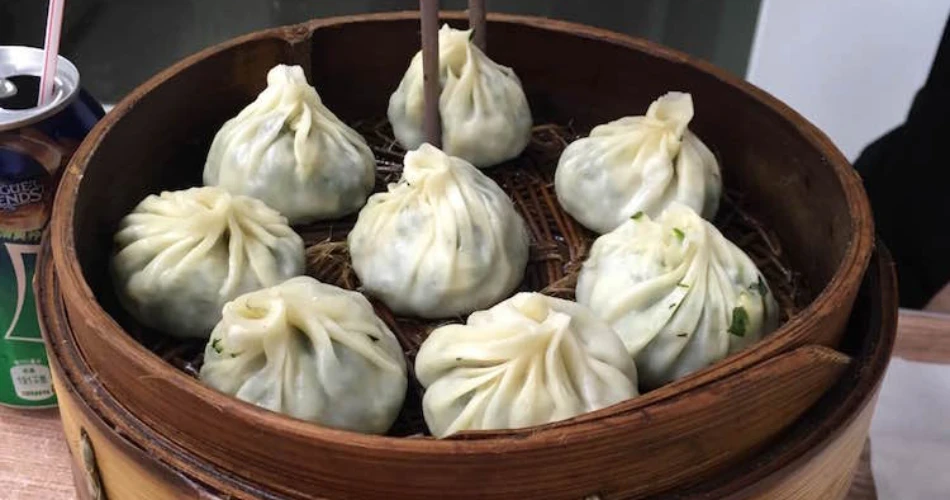
Tucked behind humble doors, Man Man Tang Bao is a dumpling haven, managed by Mr. Li and his son, who have been making soup dumplings since the 1990s.
Congee, tangyuan, and made-to-order xiaolongbao are served at this late-night favorite. For vegetarian customers, their Shepherd's Purse-based vegetarian version is a unique find.
It's quiet, real, and open late, making it ideal for night owls searching for true Shanghai cuisine.
Address: 641 Jianguo West Road (建国西路641号), Puxi, Shanghai
How to Eat Xiaolongbao (Safely)
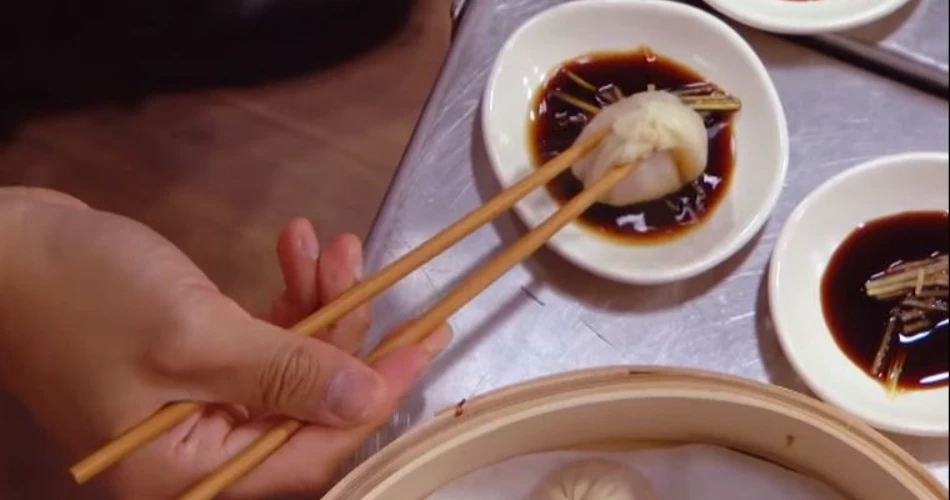
Now for the exciting part: avoiding mouth burns.
- Pour a small amount of vinegar and ginger into your sauce dish first.
- Gently pick up the dumpling, always starting from the top that is twisted.
- Admire, relax, and dip. Soak up some sauce by leaving it in your spoon.
- Take a small bite or poke a hole, then delicately sip the soup. Liquid gold!
- Eat it all at once—after it has cooled a little, pop it all in and savor the juicy burst.
Shanghai is a city that never stops moving, but you can taste its spirit when you stop for xiaolongbao.
Chasing soup dumplings in this city is one of the most enjoyable culinary hunts you will ever do, whether you deal with the crowds at Jia Jia or take in the vintage charm at Nanxiang. The journey, which includes everything from Michelin stars to obscure legends, is full of passion, diversity, and fascinating discussion.
